

OdorSight
ODORA platform powered by graph neural networks for predicting molecular odor properties.
View productLabMol integrates molecular modeling, computer-assisted drug design, computational toxicology, immersive technologies, and artificial intelligence to address infectious diseases and One Health challenges.
LabMol is a research laboratory dedicated to molecular modeling, chemoinformatics and computer-assisted drug design. Our work integrates artificial intelligence, QSAR/QSPR modeling, virtual screening, molecular dynamics and experimental validation to accelerate the discovery of safer and more effective molecules.
Guided by the One Health approach, we connect human, animal and environmental health to develop scientific solutions for infectious diseases, toxicological prediction, sustainable chemical control and emerging molecular technologies.
LabMol combines computational chemistry, AI and immersive interfaces to turn molecular data into scientific knowledge. Our research spans drug discovery, computational toxicology, target prospection and immersive technologies like olfactory AI and virtual reality.
An integrated Olfactory Virtual Reality (OVR) platform that combines generative AI, chemical modeling, IoT and wearable devices to create immersive multisensory experiences.
Learn more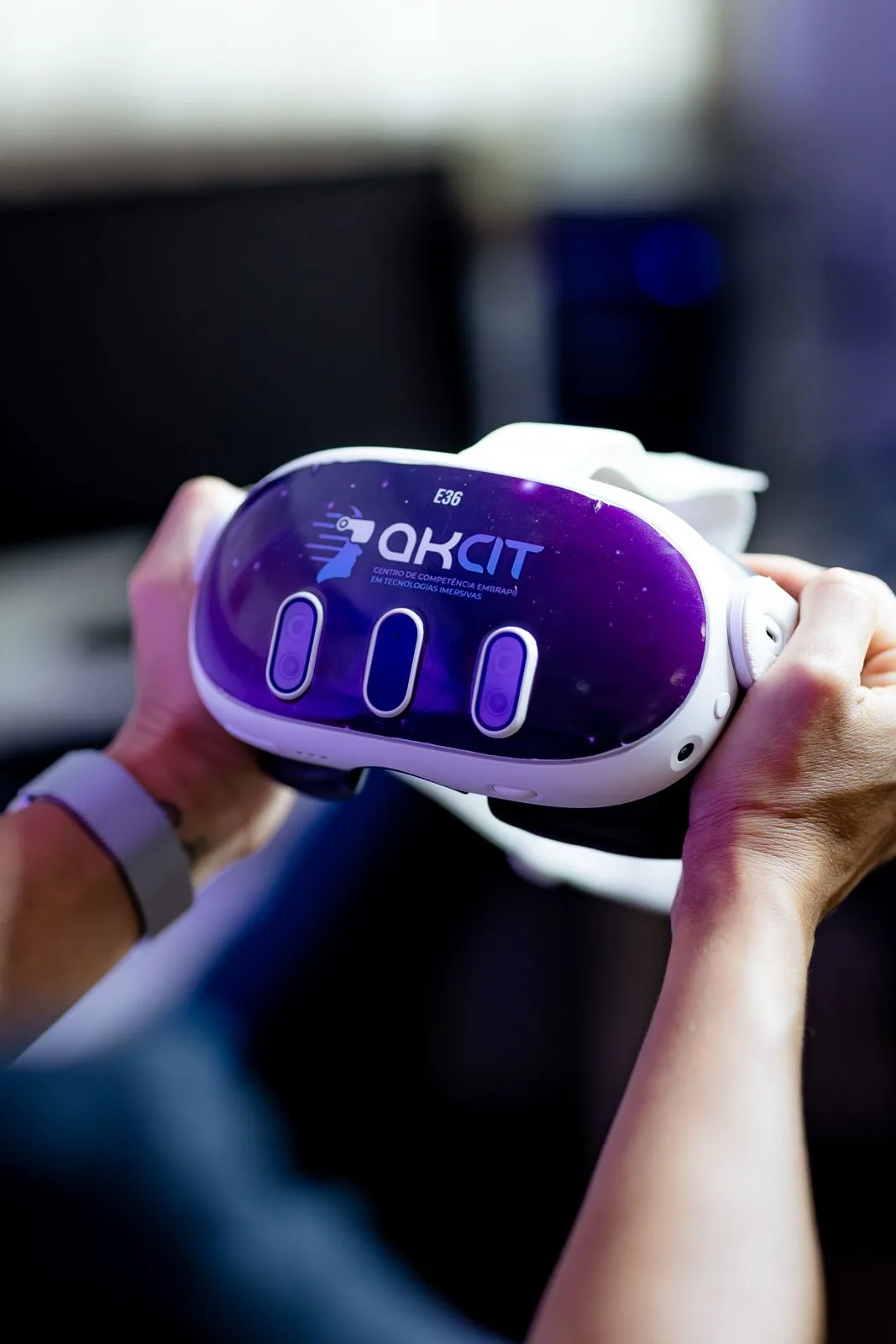
An immersive research platform investigating neuroplasticity through olfactory virtual reality environments and computational modeling. It connects neuroscience, AI and sensory experience to develop new therapeutic and cognitive approaches.
Learn more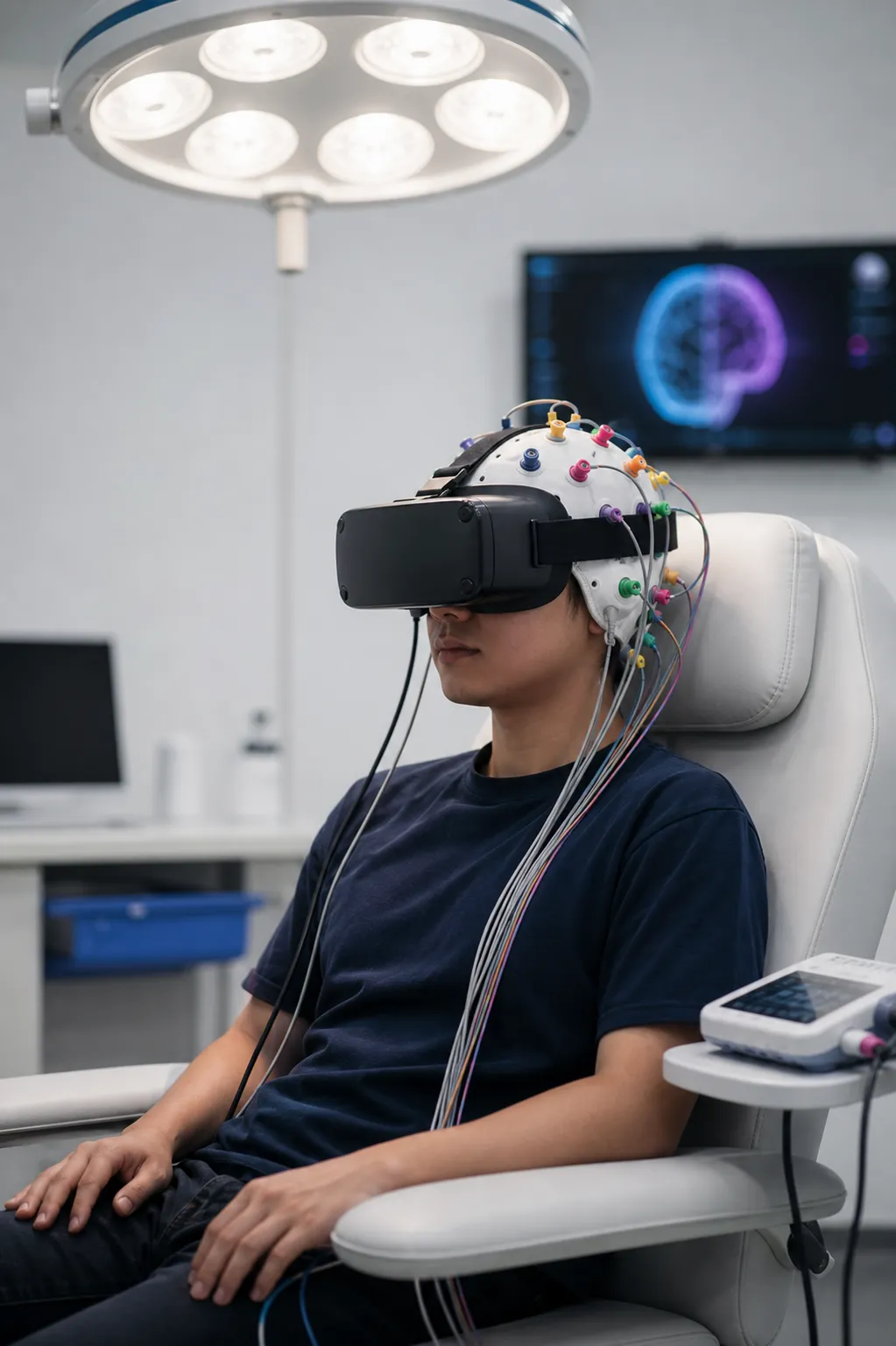
Discovery and optimization of therapeutic candidates for neglected tropical diseases and emerging viral threats using virtual screening, docking, QSAR models and molecular dynamics.
AI-driven QSAR/QSPR models integrated with experimental data to predict toxicological risks and support safer, more sustainable chemical design.
Identification of novel biological targets and molecular candidates through bioinformatics, genome analysis, homology modeling and virtual screening.
Exploration of Structure-Odor Relationships, olfactory AI and immersive technologies to expand how molecular interactions are perceived and studied.
A platform powered by graph neural networks for predicting molecular odor properties.
View product
Assess skin sensitization potential with validated QSAR models aligned with OECD guidelines.
View product
Predict in vitro cytotoxicity across BALB/c 3T3 and HEK-293 cell lines.
View product
Assess cardiotoxicity potential to identify early cardiac safety risks.
View productLabMol is a leading research group in molecular modeling, medicinal chemistry and computer-assisted drug design, integrating artificial intelligence, high-performance computing and One Health-oriented research.













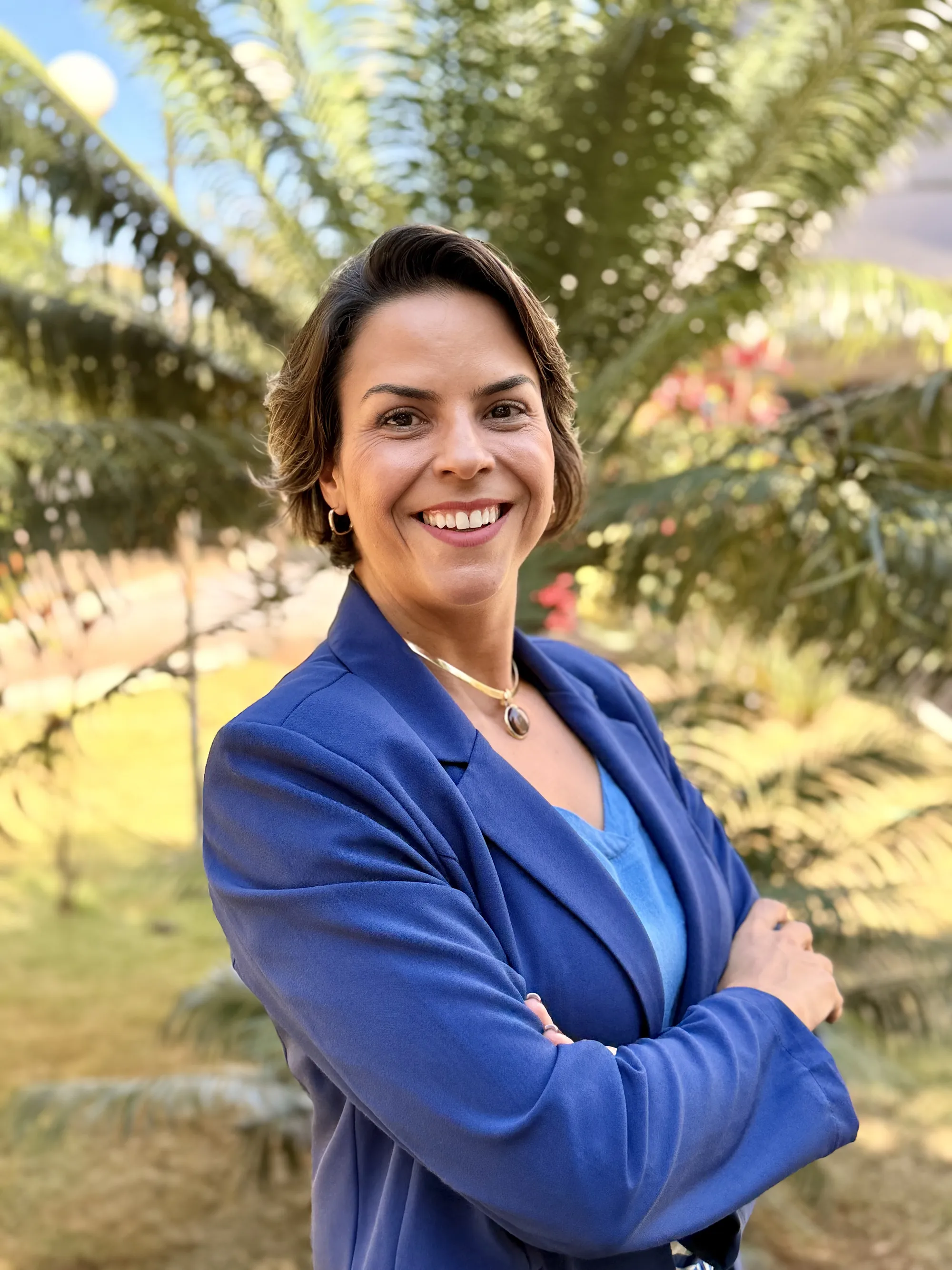
 Aylin Del Moral-Morales José L. Medina-Franco Frank H. Quina Kritika Gupta Tashika Agarwal Silvia Imberti
 An interdisciplinary team of scientists connecting molecular modeling, high-performance computing, predictive toxicology, and artificial intelligence to design the future of medicinal chemistry.
Meet the team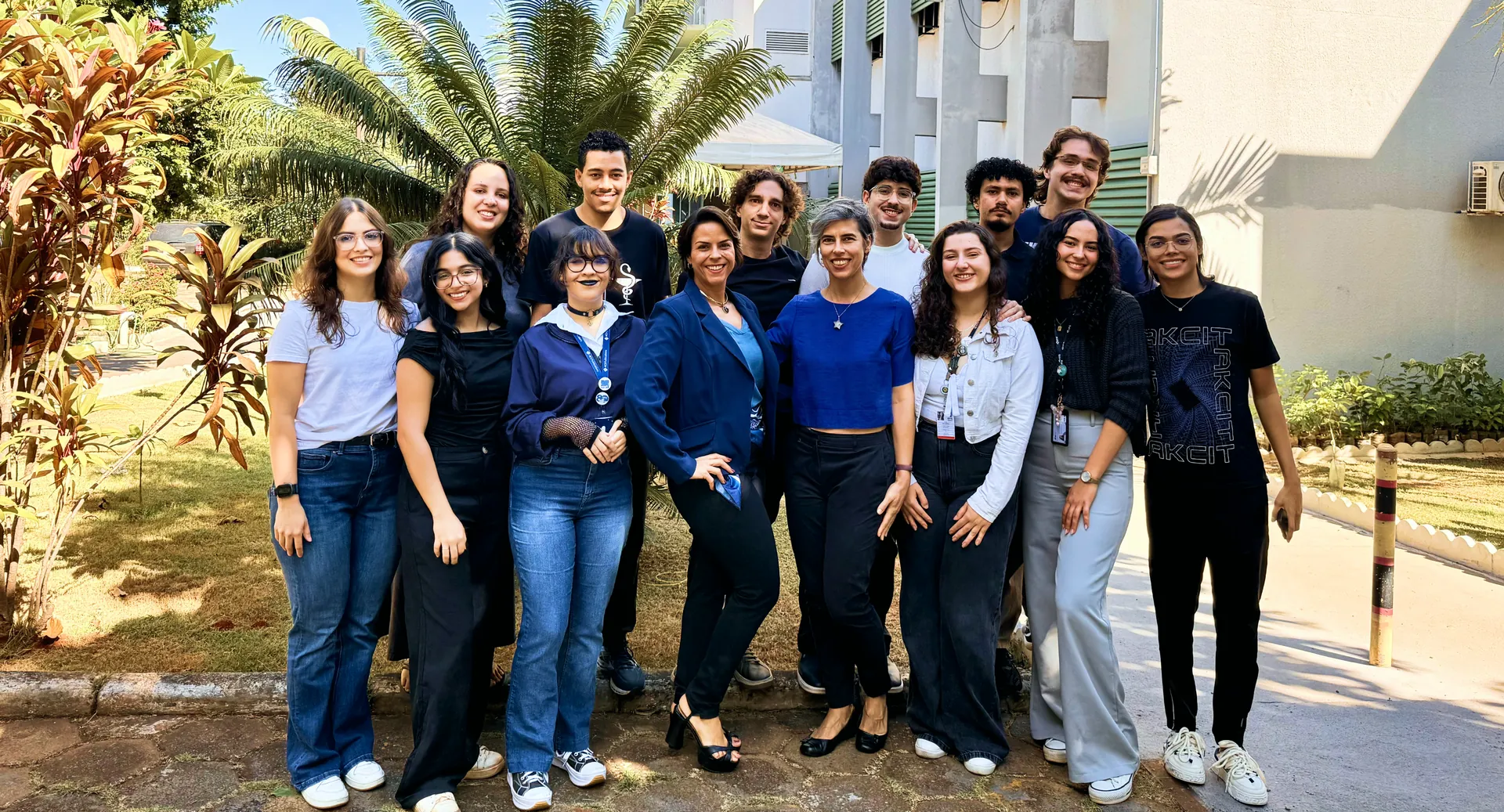
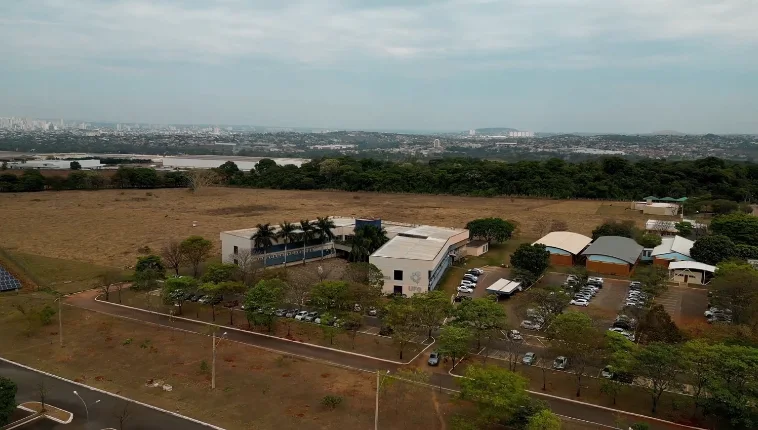
LabMol is the Molecular Modeling and Drug Design Laboratory at the Faculty of Pharmacy of the Federal University of Goiás (UFG). The group is led by Prof. Carolina Horta Andrade and includes research associates such as Melina Mottin and Joyce Villa Verde Bastos Borba. From UFG, the laboratory connects with networks such as CEIA/UFG, AKCIT-UFG, and CESU, giving our work here a strong academic base for applied health research.
LabMol works at the interface of medicinal chemistry, molecular modeling, computational toxicology, cheminformatics, and artificial intelligence. Its research combines computational methods and scientific validation to study molecules, prioritize drug candidates, and support health-related decisions, with particular attention to infectious diseases, neglected diseases, chemical safety, and One Health challenges.
LabMol develops prediction and analysis platforms such as Pred-hERG, Pred-Skin, and CytoSafe, as well as projects connected to olfactory virtual reality and multisensory experiences, including X-SOFIA. These initiatives follow the same direction: turning chemical knowledge and molecular data into tools that researchers, partners, and students can actually use. Explore our platforms at:
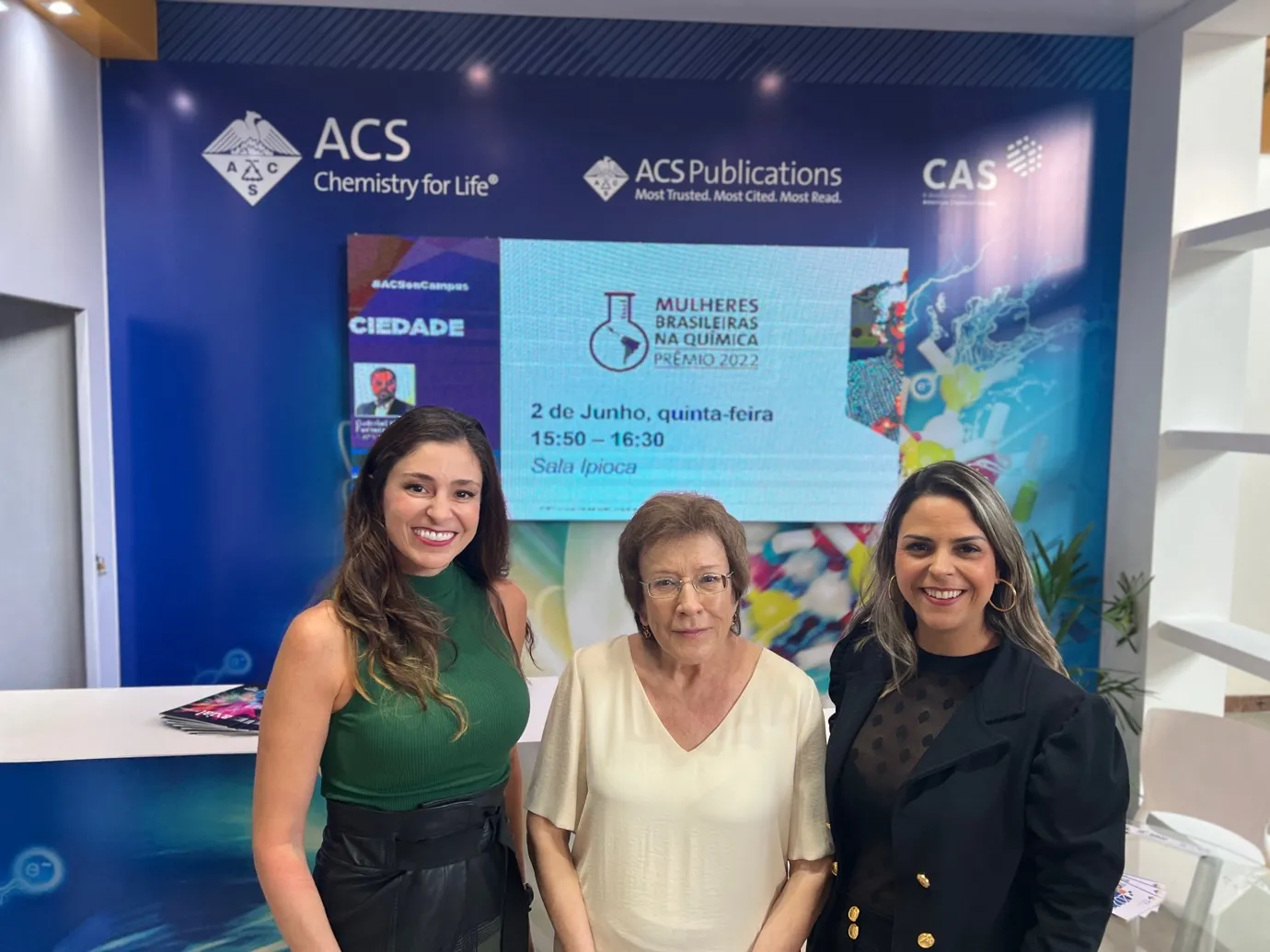
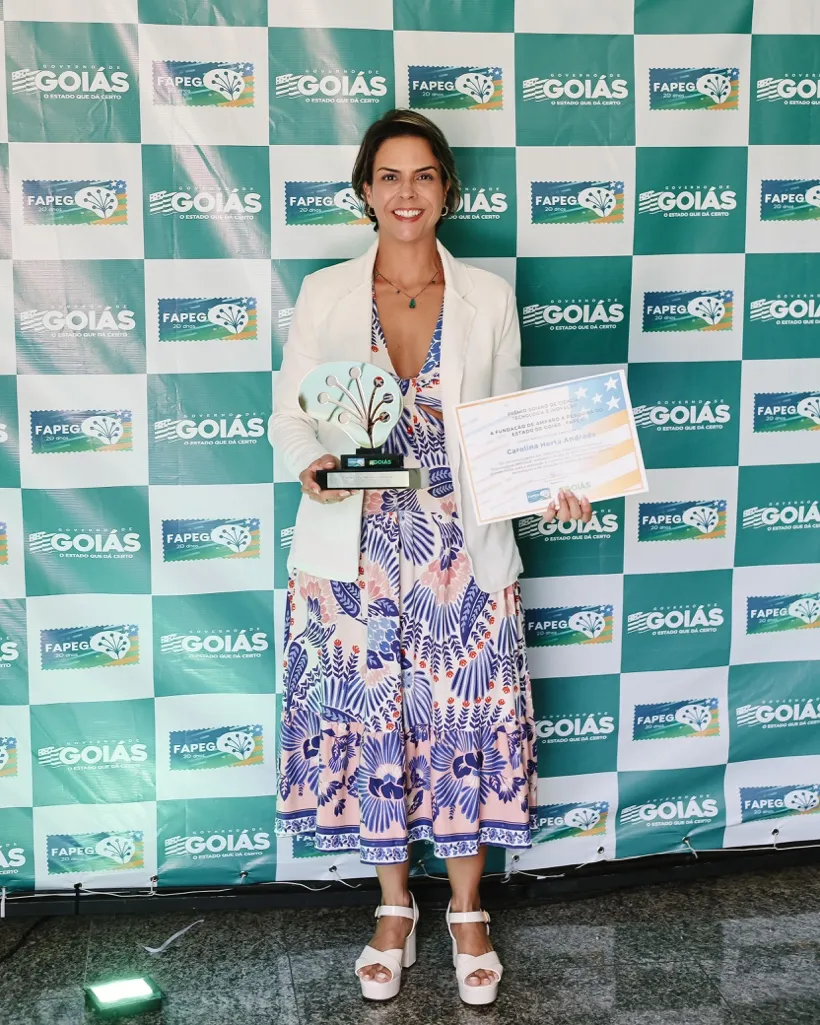
InsightAILabMol's impact appears in scientific publications, software, platforms, student training, and participation in national and international research networks. That track record brings together recognitions linked to Prof. Carolina Horta Andrade as well as achievements by current and former LabMol members, including conference awards, academic distinctions, and projects that gained visibility in medicinal chemistry, computational toxicology, data science, and health innovation. More than isolated numbers, our contribution is to turn computational science into better questions, useful tools, and new paths for collaboration.
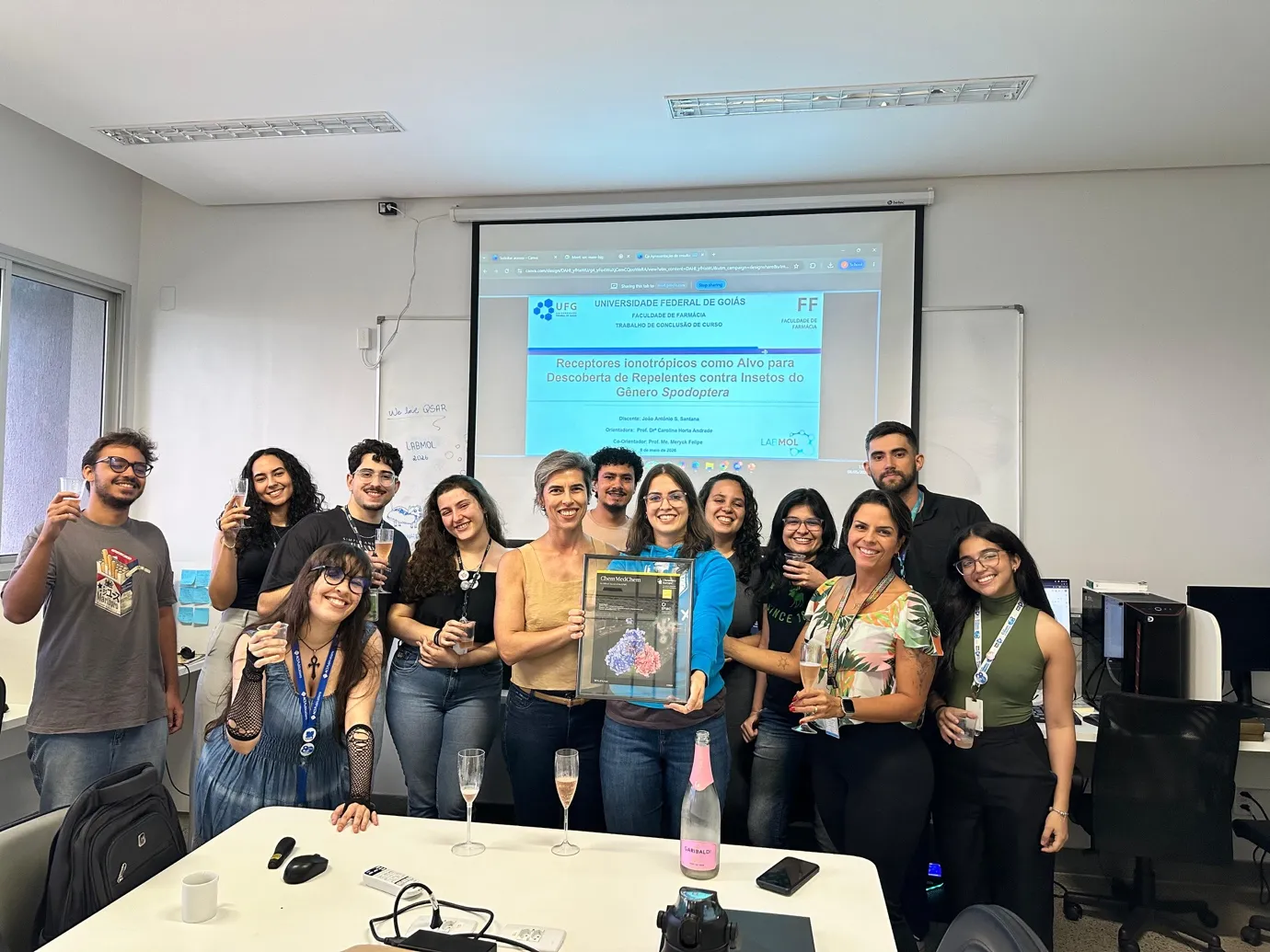
Training people is a central part of LabMol's history. The group hosts and supervises undergraduate researchers, master's and doctoral students, postdoctoral fellows, and collaborative researchers. Many students trained here have moved on to universities, research centers, companies, and international projects, carrying a foundation that combines scientific rigor, programming, chemical reasoning, and interdisciplinary work. Want to join us too? Fill out the contact form on the contact page and use the subject line "I want to join LabMol".
Go to the contact formCollaborations usually begin with a clear scientific or technological question: virtual screening, toxicological risk assessment, predictive model development, chemical data analysis, hypothesis validation, or the creation of new digital solutions. The best first step is to get in touch with a short summary of the problem, the project's current stage, and the kind of partnership being considered. If that sounds like a fit, use the contact form and write "I want to collaborate with LabMol" in the subject line.
Contact LabMol